


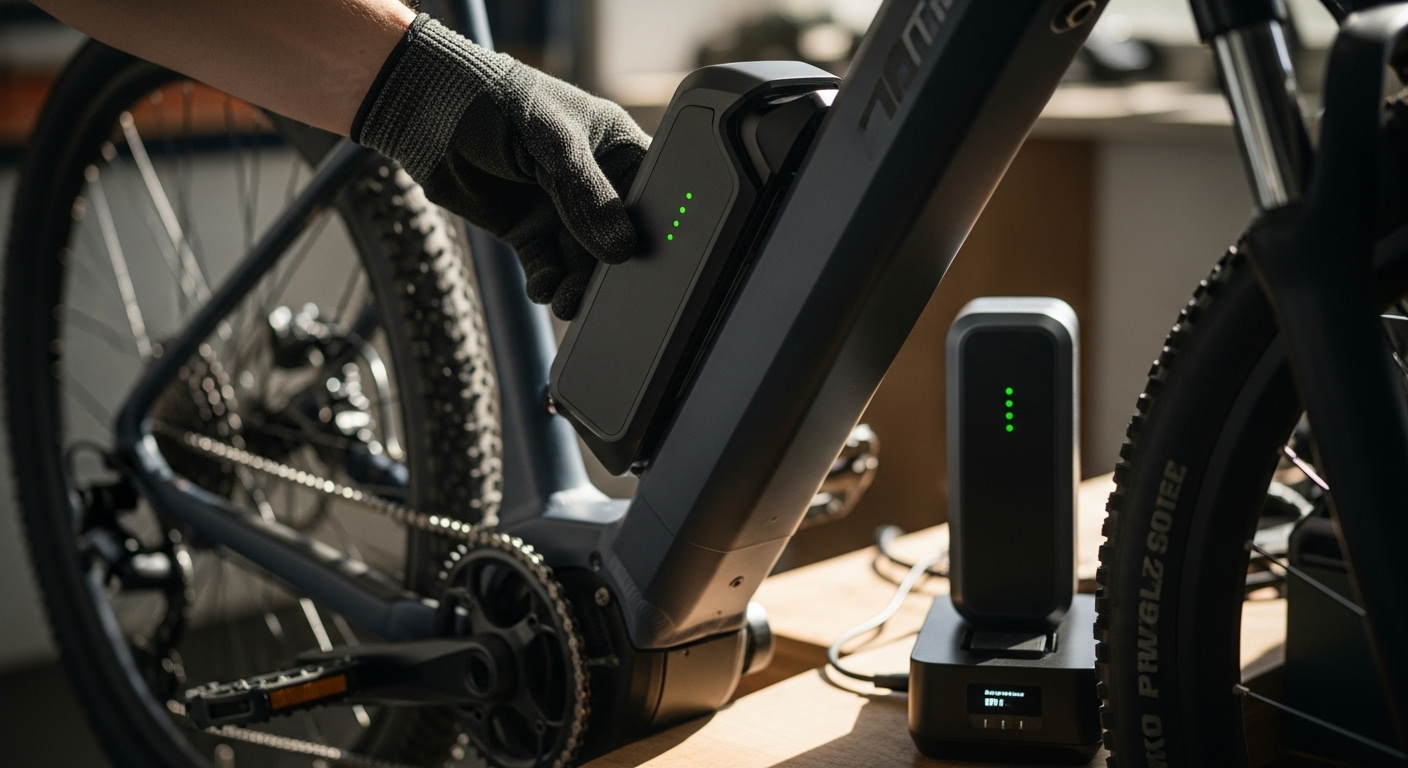
Electric bicycles have revolutionized commuting and recreational cycling, offering an eco-friendly alternative to traditional bicycles and cars. At the heart of every electric bicycle is the electric bicycle battery, which powers the motor and determines how far and how fast your e-bike can go. But with so many types of batteries available, it can be overwhelming to choose the right one for your needs.
In this comprehensive guide, we will dive deep into the various aspects of electric bicycle batteries, including the types of batteries, how to maintain them, and how to extend their lifespan. Whether you’re purchasing a new battery or looking to upgrade your existing one, this article will provide you with the knowledge to make an informed decision. Get all the information you need on electric bicycles and bikes. Check out our articles!
Table of Contents
What is an Electric Bicycle Battery?
An electric bicycle battery is the power source for the electric motor on an e-bike. It stores energy that is used to assist the rider’s pedaling, allowing the rider to travel longer distances or tackle steeper hills without extra effort. These batteries are typically rechargeable and come in various sizes, voltages, and chemistries, each offering different performance characteristics.
The battery capacity is one of the most important factors to consider when purchasing an e-bike. It directly influences the bike’s range (how far it can travel on a single charge), power output, and overall performance. Understanding the different battery types and how to maintain them is essential for getting the most out of your e-bike.
Types of Electric Bicycle Batteries
There are several types of electric bicycle batteries, each with its own advantages and disadvantages. Let’s take a closer look at the most common battery types used in e-bikes.
1. Lithium-Ion (Li-ion) Batteries
Lithium-ion batteries are the most popular and widely used type of electric bicycle battery. They are known for their lightweight design, high energy density, and long lifespan. Li-ion batteries can hold more energy in a smaller, lighter package, allowing for longer ranges without significantly adding weight to the bike.
One of the key benefits of Li-ion batteries is that they are highly efficient, meaning they can provide a significant amount of power without draining quickly. Additionally, they are less prone to the “memory effect,” a phenomenon that affects older battery types, where they lose capacity over time if not fully discharged before recharging.
2. Lithium Iron Phosphate (LiFePO4) Batteries
LiFePO4 batteries are another type of electric bicycle battery that is gaining popularity, especially in the budget e-bike market. These batteries offer good safety features, as they are more stable and less likely to overheat or catch fire compared to other lithium-based batteries.
However, LiFePO4 batteries tend to be heavier and bulkier than Li-ion batteries, and they generally have a lower energy density. As a result, e-bikes powered by LiFePO4 batteries may have shorter ranges compared to those using Li-ion batteries. Nevertheless, they are still a great option for riders who prioritize safety and affordability.
3. Nickel-Metal Hydride (NiMH) Batteries
NiMH batteries are not as common as Li-ion or LiFePO4 batteries, but they are still used in some e-bike models. These batteries offer a moderate energy density and are known for their longer lifespan compared to other battery types. However, NiMH batteries are generally heavier and less efficient than lithium-based options, making them less popular in modern e-bikes.
NiMH batteries are an environmentally friendly choice, as they do not contain toxic chemicals like cadmium, which is found in older battery types. While they may not be as high-performing as Li-ion batteries, they can still provide reliable power for e-bike riders.
Factors Affecting the Performance of Electric Bicycle Batteries
Several factors can influence the performance and lifespan of an electric bicycle battery. Understanding these factors is crucial for maximizing your battery’s efficiency and getting the most out of your e-bike.
1. Battery Capacity (Amp-Hours)
The capacity of an electric bicycle battery is measured in amp-hours (Ah) and determines how much energy the battery can store. A higher amp-hour rating means the battery can store more energy, resulting in a longer range on a single charge. For example, a 10Ah battery will generally provide a greater range than a 6Ah battery, assuming all other factors are equal.
2. Voltage
The voltage of a battery affects the speed and power output of the motor. Most e-bikes use 36V or 48V batteries, although higher-voltage batteries are available for more powerful motors. A higher voltage allows the motor to perform better, providing more torque and faster acceleration.
3. Temperature
Extreme temperatures can have a negative impact on the performance of an electric bicycle battery. Cold weather can reduce the battery’s capacity and range, while high temperatures can cause the battery to overheat, which can shorten its lifespan. It’s best to store and use your battery in moderate temperatures for optimal performance.
4. Charging Practices
Proper charging is essential for extending the lifespan of your electric bicycle battery. Avoid leaving your battery plugged in for too long, as overcharging can damage the cells and decrease their capacity. It’s also important to avoid fully draining the battery before recharging it, as deep discharges can reduce the overall lifespan.
How to Maintain Your Electric Bicycle Battery
Proper maintenance is key to ensuring that your electric bicycle battery lasts as long as possible. Here are some tips to help you take care of your battery and get the most out of it:
1. Store Your Battery Properly
When not in use, store your electric bicycle battery in a cool, dry place. Avoid leaving it in hot areas, such as a car on a sunny day, as excessive heat can cause the battery to degrade more quickly. If you’re not planning to use your e-bike for an extended period, store the battery at around 50-60% charge to help maintain its health.
2. Keep the Battery Clean
Dirt and debris can accumulate on the battery terminals and connectors, affecting the battery’s performance. Clean the battery regularly with a soft cloth and make sure the connectors are free of dirt or corrosion.
3. Charge Regularly
To ensure that your electric bicycle battery remains in good condition, it’s important to charge it regularly. If you don’t use your bike often, make sure to charge the battery every few months to prevent it from becoming completely discharged.
4. Avoid Overcharging
Overcharging your battery can shorten its lifespan. When charging, unplug the battery as soon as it reaches 100% to prevent overcharging. Many modern chargers have built-in protections to stop charging once the battery is full, but it’s still important to monitor the process.
Conclusion
The electric bicycle battery is one of the most important components of an e-bike. Understanding the different types of batteries, how they work, and how to maintain them is essential for making an informed purchase and getting the most out of your e-bike. By choosing the right battery and following proper maintenance practices, you can ensure that your e-bike remains in top condition for years to come.
FAQs
Q1. How long does an electric bicycle battery last?
An electric bicycle battery can last between 3 and 5 years, depending on the type of battery, usage, and maintenance. Proper care and regular charging can extend the battery’s lifespan.
Q2. What is the best type of battery for an electric bicycle?
Lithium-ion batteries are generally considered the best option for electric bicycle batteries due to their high energy density, light weight, and long lifespan.
Q3. How can I improve the lifespan of my electric bicycle battery?
To extend your electric bicycle battery’s lifespan, avoid overcharging, store it in a cool, dry place, and regularly charge it to 50-60% if you’re not using it for an extended period.
Q4. Can I replace the battery on my electric bicycle?
Yes, you can replace the electric bicycle battery when it starts to lose its capacity or becomes damaged. Make sure to choose a replacement that is compatible with your bike’s motor and specifications.
Q5. How do I know when my electric bicycle battery needs to be replaced?
If you notice a significant decrease in range, frequent need for recharging, or a swollen battery, it may be time to replace your electric bicycle battery.
Stay informed with the latest trends, visit Urban Pedals for more!