


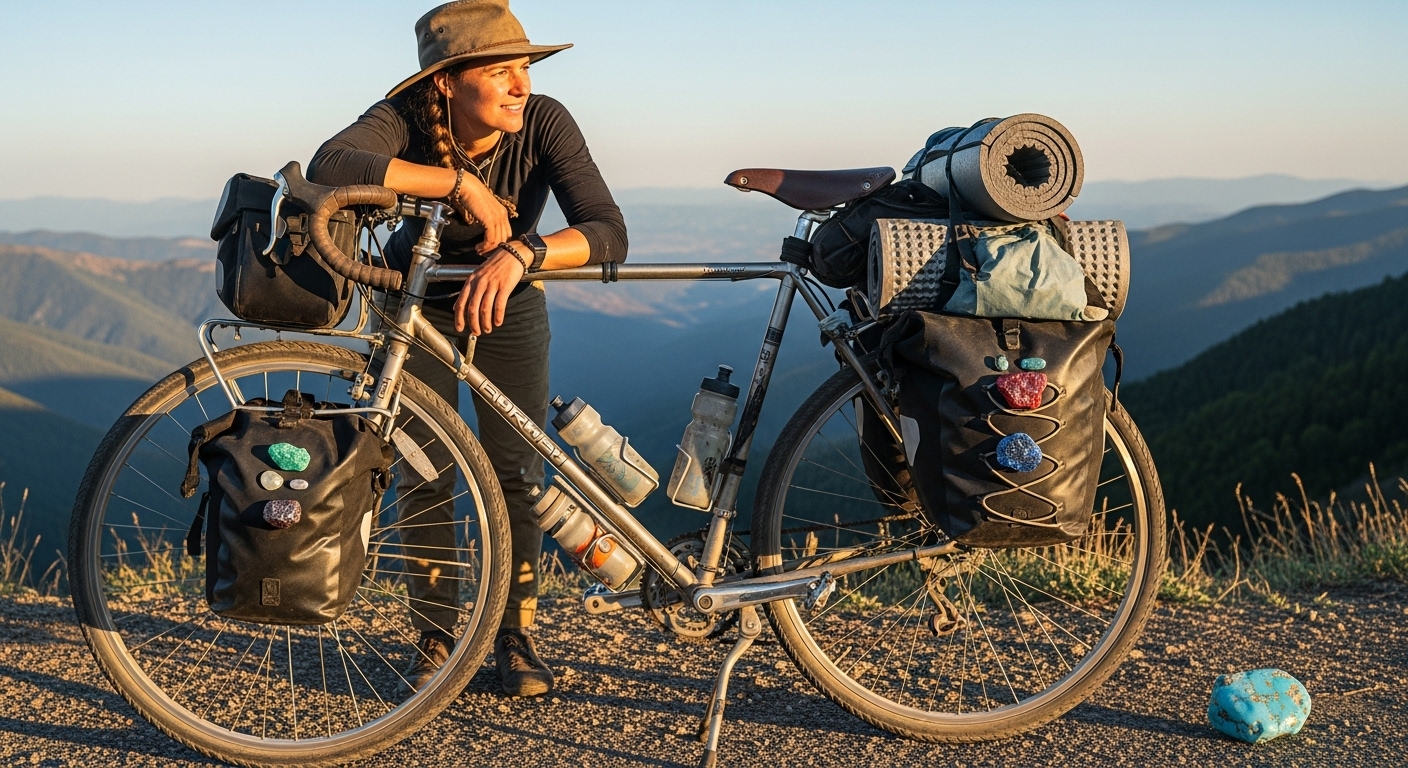
Cycling is an incredible way to explore the world, and when it comes to long-distance cycling, choosing the right cycle for touring can make all the difference. Whether you’re planning a weekend getaway or a multi-month journey across continents, the right touring bike ensures that you’re comfortable, efficient, and ready for any challenge the road may throw at you.
In this guide, we’ll break down everything you need to know about selecting a cycle for touring. From understanding the essential features of a touring bike to helping you choose the right one for your journey, we’ll cover all aspects to ensure you get the most out of your cycling adventures. Get all the information you need on the bicycle type. Check out our articles!
Table of Contents
What is a Cycle for Touring?
A cycle for touring is specifically designed for long-distance rides, making it an essential tool for anyone planning a multi-day cycling adventure. Unlike standard bikes, touring bicycles are built for durability, comfort, and stability over extended distances and various terrains.
These bikes are equipped with features that allow you to carry heavy loads, ride comfortably for long hours, and handle different types of road conditions. Whether you’re tackling paved roads, gravel paths, or dirt trails, a cycle for touring will offer the performance you need.
Key Features to Look for in a Cycle for Touring
When choosing a cycle for touring, there are several key features to consider. Let’s dive into these aspects so you can make an informed decision about the right bike for your touring adventures.
1. Frame Design
The frame is the most important part of your cycle for touring. For long-distance travel, you need a robust, long-lasting frame composed of steel, aluminum, or titanium. Steel frames are comfortable and long-lasting since they can handle vibrations from rough ground. Aluminum is lighter and cheaper, but it doesn’t feel as good as steel. Titanium frames are more expensive, but they are light, strong, and comfortable all at the same time.
2. Comfortable Geometry
A cycle for touring needs to provide comfort for long hours in the saddle. Touring bikes typically have a more relaxed geometry than road bikes, with a longer wheelbase and a lower bottom bracket. This design keeps the bike stable when carrying big panniers and lets you ride in a more comfortable posture. The handlebars should also let you put your hands in different places to ease the pressure on your arms and shoulders.
3. Cargo Capacity
One of the primary features of a cycle for touring is its ability to carry luggage. A good touring bike should have multiple mounting points for racks and panniers, allowing you to carry all the gear you need for your trip. Whether you’re packing camping gear, clothes, or food, a well-equipped touring bike will help you distribute the weight evenly for a balanced ride.
4. Wide Tires for Stability
The tires on a cycle for touring are quite important for making sure that the bike is comfortable and stable on different types of ground. Touring bikes are usually equipped with wider tires than road bikes, as they provide better grip, stability, and shock absorption. Tires that are 28mm to 42mm wide are ideal for touring, offering a balance of speed and comfort.
5. Gearing Options
A cycle for touring should have a wide range of gears so you can ride on different types of terrain, from steep hills to flat roads. Most touring bikes have a triple chainring setup or a wide-range cassette, which makes it easy to shift and keep a comfortable cadence, even when you’re carrying heavy weight. The right gearing ensures that you can conquer tough climbs while still being able to cruise on flat roads with ease.
6. Braking System
The braking system is critical for a cycle for touring, especially when you’re riding with a heavy load. While rim brakes are common on many touring bikes, disc brakes are increasingly becoming the preferred choice due to their superior stopping power and performance in all weather conditions. Disc brakes offer more control, especially on downhill descents and when riding in the rain.
7. Durable Components
Long-distance touring puts a lot of strain on a bike’s components. A cycle for touring should come equipped with durable parts that can withstand the demands of extended rides. Look for bikes with sturdy wheels, high-quality drivetrains, and reliable brakes. Touring bikes often come with components designed for longevity, such as stronger hubs and frames, as well as heavy-duty wheels.
Choosing the Right Cycle for Touring
It’s crucial to think about your demands while choosing a cycle for touring. These are some things to think about:
1. Terrain and Terrain Types
Are you planning to ride on paved roads, gravel, or rough trails? If your tour will primarily be on smooth roads, a lightweight, road-oriented touring bike might be the best option. However, if you plan to ride on mixed terrain, you may want to look for a more rugged bike with wider tires and additional suspension features.
2. Distance and Duration
The length and duration of your trip will play a role in your decision. For long trips lasting several weeks or months, a cycle for touring with more storage space and comfort features is important for long travels that last weeks or months. A smaller touring bike might be enough for shorter trips or weekend breaks.
3. Budget
The price of a cycle for touring might vary a lot based on the frame material, parts, and brand. Steel frames are usually cheaper, while titanium bikes cost a lot more. You don’t have to buy the most costly bike on the market, but you should find a good balance between quality and price. In the long run, a good touring bike that is well-made will be worth the money.
4. Fit and Comfort
Before purchasing your cycle for touring, ensure that the bike fits you well. Comfort is quite important when touring because you spend a lot of time on the saddle. A lot of bike stores will assist you in selecting the proper size by fitting you. Also, think about obtaining a comfy saddle and grips for the handlebars to provide you with more support.
Popular Cycles for Touring
Several brands and models offer excellent cycles for touring. Here are some popular options:
1. The Surly Long Haul Trucker
The Surly Long Haul Trucker is one of the most well-known and respected touring bikes on the market. This bike has a strong steel frame that can carry high loads and ride on many types of terrain. It has wide tires for more comfort and stability, and it has a variety of gearing options to fit varied riding circumstances. This bike is great for touring long distances because it is known for being reliable and tough.
2. Trek 520
The Trek 520 is another excellent choice for cyclists who want a durable, long-distance touring bike. This bike has a steel frame, ample cargo capacity, and a comfortable geometry for long days in the saddle. The Trek 520 is a wonderful choice for professional touring riders since it has sturdy parts and disc brakes that can handle rough terrain and large loads.
3. Kona Sutra
The Kona Sutra is a great touring bike with a steel frame, a wide range of gears, and disc brakes that work well in all weather. Frequently touring cyclists who desire a bike that can handle both paved roads and off-road trails will love its comfortable shape and high-quality parts.
4. Bianchi Touring
Bianchi’s touring bikes are known for their stylish design and high-performance features. The Bianchi Touring bike is a wonderful choice for long-distance touring since it has a lightweight aluminum frame, strong parts, and a smooth ride.
Conclusion
Choosing the right cycle for touring is essential for enjoying long-distance rides and making the most out of your cycling adventure. A touring bike that is well-equipped will be comfortable, stable, and have enough space to carry everything you need for your trip. There is a touring bike that will meet your needs, no matter if you choose a steel, aluminum, or titanium frame.
You can choose the perfect cycle for touring by knowing what to look for, such as the frame design, comfort, and gearing options. This will make sure that your next trip is one to remember.
FAQs
Q1. What is the best type of frame for a cycle for touring?
The best frame for a cycle for touring is typically made of steel, as it offers durability and comfort over long distances. Aluminum is lighter and more affordable, while titanium offers a lightweight and durable option for high-end touring bikes.
Q2. What kind of gears do I need for a cycle for touring?
The amount of gear you need depends on the duration of your trip and the conditions. A cycle for touring typically requires panniers, a reliable light system, and tools for minor repairs. For long tours, camping gear and extra clothing might also be necessary.
Q3. Can I use a regular road bike for touring?
While you can use a road bike for short tours, a cycle for touring is designed for long-distance travel and has the necessary features, such as added cargo capacity and a more relaxed geometry, to ensure comfort and stability on extended rides.
Q4. Are disc brakes better for touring bikes?
Yes, disc brakes are generally better for touring bikes, especially when carrying heavy loads. They provide superior stopping power and perform well in all weather conditions, making them ideal for long-distance touring.
Q5. How do I choose the right size of the cycle for touring?
When choosing a cycle for touring, it’s important to get the right frame size for your height and inseam length. Many bike shops offer fitting services to help you find the ideal size, ensuring maximum comfort for your ride.
Stay informed with the latest trends, visit Urban Pedals for more!



Leave a comment